
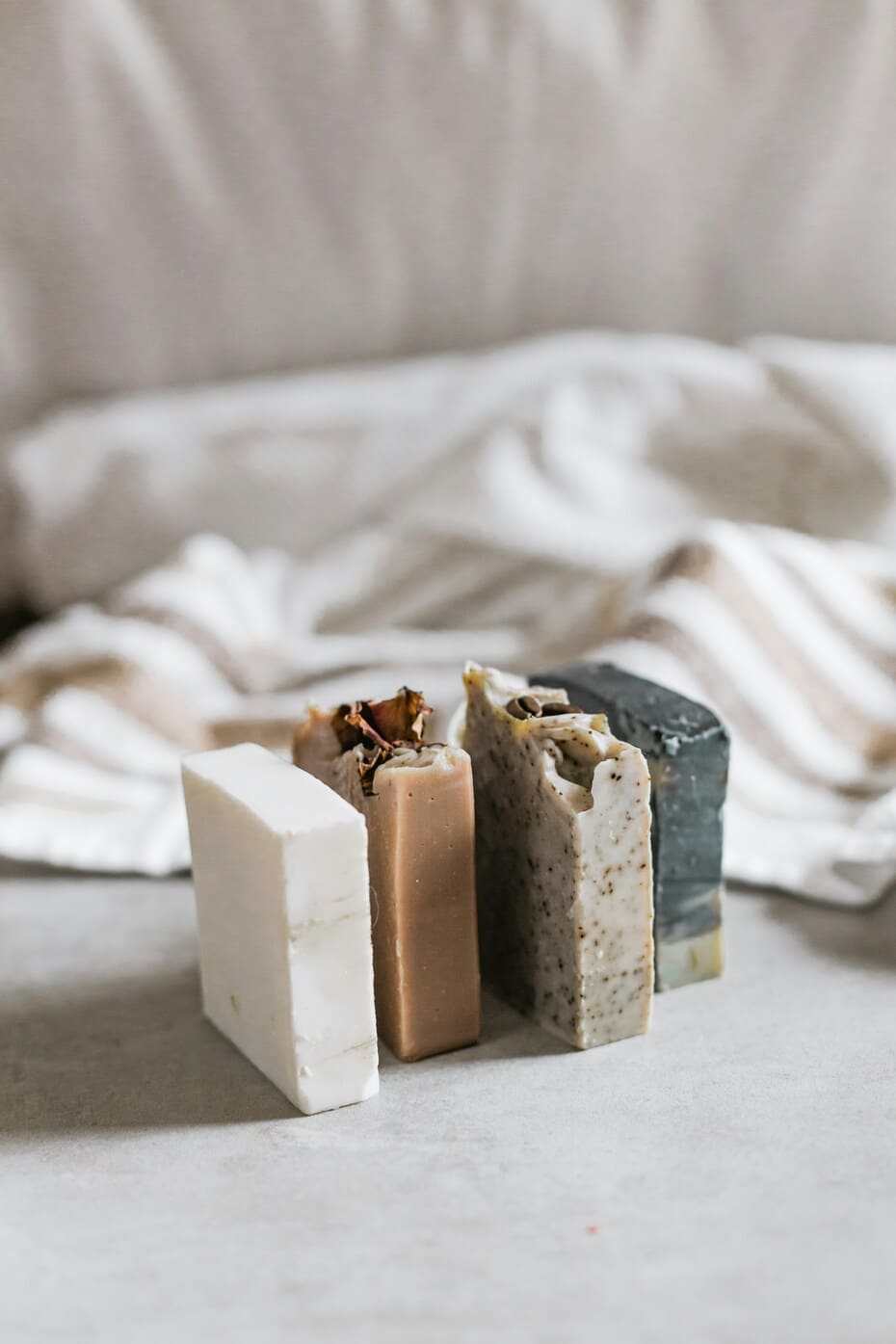
Vegan soap is made without animal fats or by-products like tallow, milk or honey. Instead, it uses plant oils, vegetable glycerin and other cruelty-free ingredients. Look for vegan logos or trusted brands when choosing.
While soap might seem like a simple household item, many traditional bars and liquids still use ingredients that come from animals. This can include tallow (rendered animal fat), lanolin from sheep’s wool, or even milk and honey. For anyone living a vegan lifestyle, avoiding these hidden animal ingredients is just as important as choosing the right food.
Thankfully, there are plenty of high-quality vegan alternatives on the market, from supermarket names to smaller artisan makers.
This post contains affiliate links. If you click through and buy something, I may earn a small commission at no extra cost to you.
Quick Answer
- Vegan soap is made without animal fats like tallow.
- Plant oils and vegetable glycerin replace animal by-products.
- Look for a vegan logo or trusted brands to be sure.
Why Some Soaps Aren’t Vegan
Not all soaps are created equal. Traditional bars often use tallow, which is rendered animal fat, as a base ingredient. It gives a firm texture but clearly makes the soap non-vegan. Lanolin, a moisturising agent from sheep’s wool, can also appear in many “gentle” or “moisturising” soaps. Other hidden animal products include goat’s milk, honey, and beeswax.
Another ingredient to watch out for is glycerin. While plant-based glycerin is common in vegan soaps, some brands still use glycerin derived from animal fats. Unless it’s clearly labelled as vegetable glycerin or marked with a Vegan Society trademark, it’s hard to know.
These small details explain why everyday high-street soaps, even ones that seem simple and harmless, may not be vegan at all. Checking ingredients and looking for certification is the easiest way to avoid hidden animal by-products.
How Can Soap Be Vegan?
Vegan soap is made using plant-based oils like coconut, olive, or sunflower instead of animal fats. These oils provide the same cleansing and moisturising effects without relying on animal ingredients. To bind everything together, brands use vegetable glycerin, which comes from plants rather than rendered fats.
A good shortcut when shopping is to check for a vegan certification logo such as the Vegan Society trademark. This ensures the soap contains no animal ingredients and hasn’t been tested on animals.
You’ll also find many vegan soaps are more eco-friendly. Plastic-free packaging and biodegradable formulas are common among brands making the switch to vegan and cruelty-free.

Best Vegan Soap Brands to Try
If you’re ready to make the switch, there are plenty of excellent vegan options:
- KinKind – Solid shampoo and body bars that are vegan, plastic-free, and designed to cut down waste.
- Hiltwood Natural Soap – Handmade soaps for men using plant oils and natural ingredients, perfect for sensitive skin.
- Faith in Nature – Widely available and certified vegan, with a large range of bar and liquid soaps.
- Alter/Native – Affordable vegan soaps made with essential oils, often found in refill and zero-waste shops.
These brands prove you don’t need animal ingredients to have great results, just high-quality, plant-powered formulas.
Conclusion
So, what makes soap vegan? It’s about using plant oils and vegetable glycerin instead of animal fats, and checking for clear vegan certification. Traditional soaps often hide tallow, lanolin, or honey, but with trusted vegan brands it’s easy to make the switch.
FAQs About Vegan Soap
How can soap be vegan?
Soap is vegan when it’s made from plant oils and vegetable glycerin instead of animal fats like tallow.
What makes Dove soap not vegan?
Most Dove soaps contain animal-derived ingredients like tallow or non-vegan glycerin, and the brand is not certified vegan.
How to tell if a soap is vegan?
Check the ingredients list for tallow, lanolin, milk, or honey, all non-vegan. A vegan certification logo or a clear “100% vegan” label makes it easier.
Which soaps are not vegan?
Any soap that uses animal fats, lanolin, beeswax, or dairy products is non-vegan. Many high-street brands still include these, so choosing certified vegan soaps avoids confusion.
Is Dove all vegan?
No, Dove has some plant-based lines but isn’t fully vegan or certified by the Vegan Society. If you’re looking for guaranteed vegan products, it’s best to pick a certified brand.
Are Lush soaps vegan?
Lush offers many vegan soaps, but not all of them are vegan. Look for the green “V” label on their packaging to confirm.