
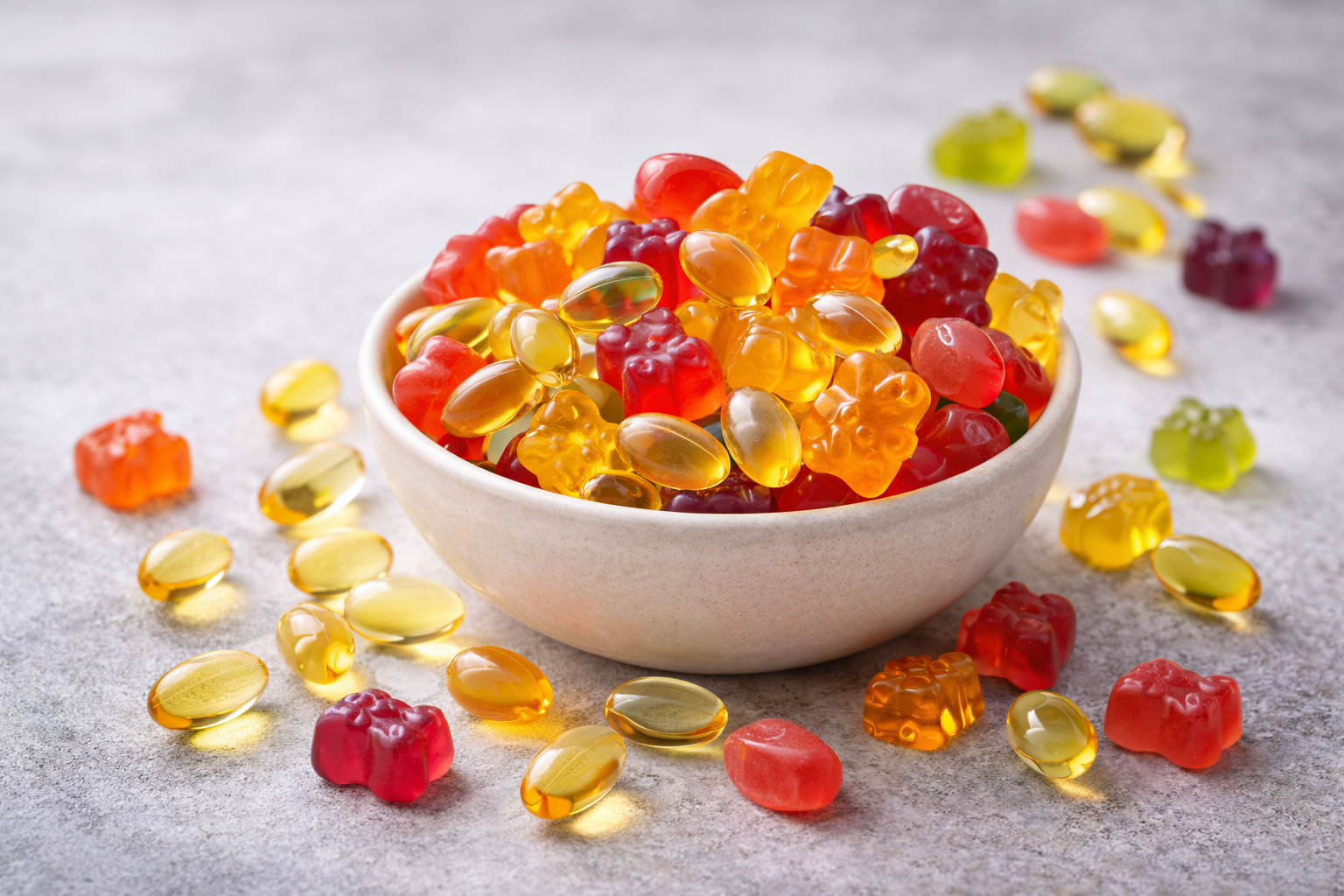
Vegan multivitamins are supplements designed for people following a plant-based diet, helping to cover nutrients that can be harder to get consistently from food alone, such as iodine and vitamin B12.
A well-planned vegan diet can be highly nutritious, but modern food systems, limited fortification, and individual needs mean some people choose a multivitamin for reassurance. Vegan multivitamins are formulated without animal-derived ingredients and usually focus on nutrients that vegans are more likely to fall short on, rather than duplicating everything found easily in plant foods. This guide explains what to look for, who may benefit, and how to choose a sensible option without over-supplementing.
What Are Vegan Multivitamins?
Vegan multivitamins combine several vitamins and minerals into one supplement, using ingredients that are suitable for vegans. This means no gelatin capsules, fish oils, lanolin-derived vitamin D, or other animal-based components.
Most vegan multivitamins are designed to complement a plant-based diet rather than replace good nutrition. They typically focus on nutrients that are less abundant or less predictable in vegan diets.
How Vegan Multivitamins Differ From Standard Multivitamins
Standard multivitamins may contain animal-derived ingredients or nutrients sourced from animals. Vegan multivitamins use plant-based or synthetic alternatives, such as vitamin D3 from lichen and iodine from seaweed or mineral sources.
They are also more likely to exclude unnecessary ingredients and focus on nutrients that are relevant to vegans, rather than including everything at high doses.
Do Vegans Need a Multivitamin?
Not every vegan needs a multivitamin, but some people find them helpful depending on their diet, lifestyle, and individual needs. Factors such as limited food variety, low intake of fortified foods, or increased requirements can make supplementation more relevant.
A multivitamin can offer peace of mind, especially for people who prefer a simple, all-in-one approach rather than managing multiple individual supplements.
When a Multivitamin May Be Helpful
A vegan multivitamin may be worth considering if you rarely eat fortified foods, struggle to plan meals consistently, or want a low-maintenance way to cover key nutrients. It can also be useful during periods of higher demand, such as stress, illness, or dietary changes.
That said, a multivitamin should support your diet, not compensate for a lack of whole foods.
Key Nutrients to Look For in Vegan Multivitamins
Not all vegan multivitamins are formulated in the same way. The most useful products focus on nutrients that vegans are more likely to need support with, rather than providing excessive amounts of everything.
Iodine and Vitamin B12
Iodine is one of the most commonly overlooked nutrients in vegan diets, particularly for people who do not use iodised salt or eat seaweed regularly. A vegan multivitamin that includes iodine can help fill this gap safely.
Research published in Frontiers in Nutrition shows that people following vegan diets tend to have lower vitamin B12 intake and status, and that supplementation improves B12 levels.
Vitamin B12 is essential and cannot be reliably obtained from unfortified plant foods. A well-formulated vegan multivitamin should include B12 in an appropriate, bioavailable form.
Vitamin D and Other Supporting Nutrients
Vitamin D is difficult to obtain from food alone, especially in the UK. Many vegan multivitamins include vitamin D3 sourced from lichen rather than lanolin.
Other nutrients sometimes included are zinc, selenium, and iron, though iron is often included cautiously due to individual needs and absorption differences.
Choosing a Vegan Multivitamin That Makes Sense
A good vegan multivitamin should be transparent about its ingredients, avoid unnecessary fillers, and provide sensible doses rather than megadoses. More is not always better when it comes to supplementation.
Looking at the formulation as a whole is more important than focusing on one single nutrient.
This post contains affiliate links. If you click through and buy something, I may earn a small commission at no extra cost to you.
Formulation Quality and Ingredient Transparency
Brands that clearly explain where their nutrients come from and why they are included tend to be easier to trust. Whole-food or food-grown formulations may appeal to people looking for a gentler option, while others may prefer straightforward synthetic forms.
When comparing options, it can help to review how different brands approach formulation rather than assuming all multivitamins are the same.
Examples of vegan multivitamin ranges worth reviewing include:
- Together Health vegan multivitamin range
- DR.VEGAN daily multivitamin options
- Known Nutrition vegan multivitamin gummies
Daily Use and Safety Considerations
Vegan multivitamins are generally intended for daily use, but they should be taken as directed and not combined indiscriminately with other supplements containing the same nutrients.
If you are already taking individual supplements, it is worth checking for overlaps to avoid excessive intake.
Can You Take a Vegan Multivitamin Long Term?
Many people take vegan multivitamins long term without issue, but needs can change over time. Reviewing your supplement routine occasionally helps ensure it still makes sense for your diet and lifestyle.
If you have specific health conditions or concerns, professional advice is always appropriate.
Explore Vegan Multivitamin Options
If you are considering adding a multivitamin to your routine, comparing formulations can help you choose an option that fits your needs without unnecessary extras. You can explore current vegan multivitamin options from trusted brands here:
- View Together Health’s vegan multivitamins
- Explore DR.VEGAN’s multivitamin range
- See Known Nutrition’s vegan multivitamin gummies
FAQs
Should vegans take a multivitamin?
Some vegans choose a multivitamin to help cover nutrients like iodine and vitamin B12, especially if they do not regularly consume fortified foods. Others meet their needs through diet and individual supplements.
Is it safe for a vegan to take a daily multivitamin?
Daily vegan multivitamins are generally considered safe when taken as directed. It is important to avoid combining multiple supplements with overlapping nutrients unless advised.
What vitamins do vegans lack most?
Vitamin B12 and iodine are among the nutrients vegans are most likely to need extra attention with. Vitamin D can also be difficult to obtain from food alone in the UK.
Are plant-based multivitamins better for vegans?
Plant-based multivitamins are designed to avoid animal-derived ingredients and often focus on nutrients that are relevant to vegan diets, making them a more appropriate choice for many vegans.
Why is vitamin B12 sometimes not vegan?
Some vitamin B12 supplements are derived using animal-based processes or combined with non-vegan ingredients. Vegan-labelled supplements use forms and production methods suitable for vegans.