
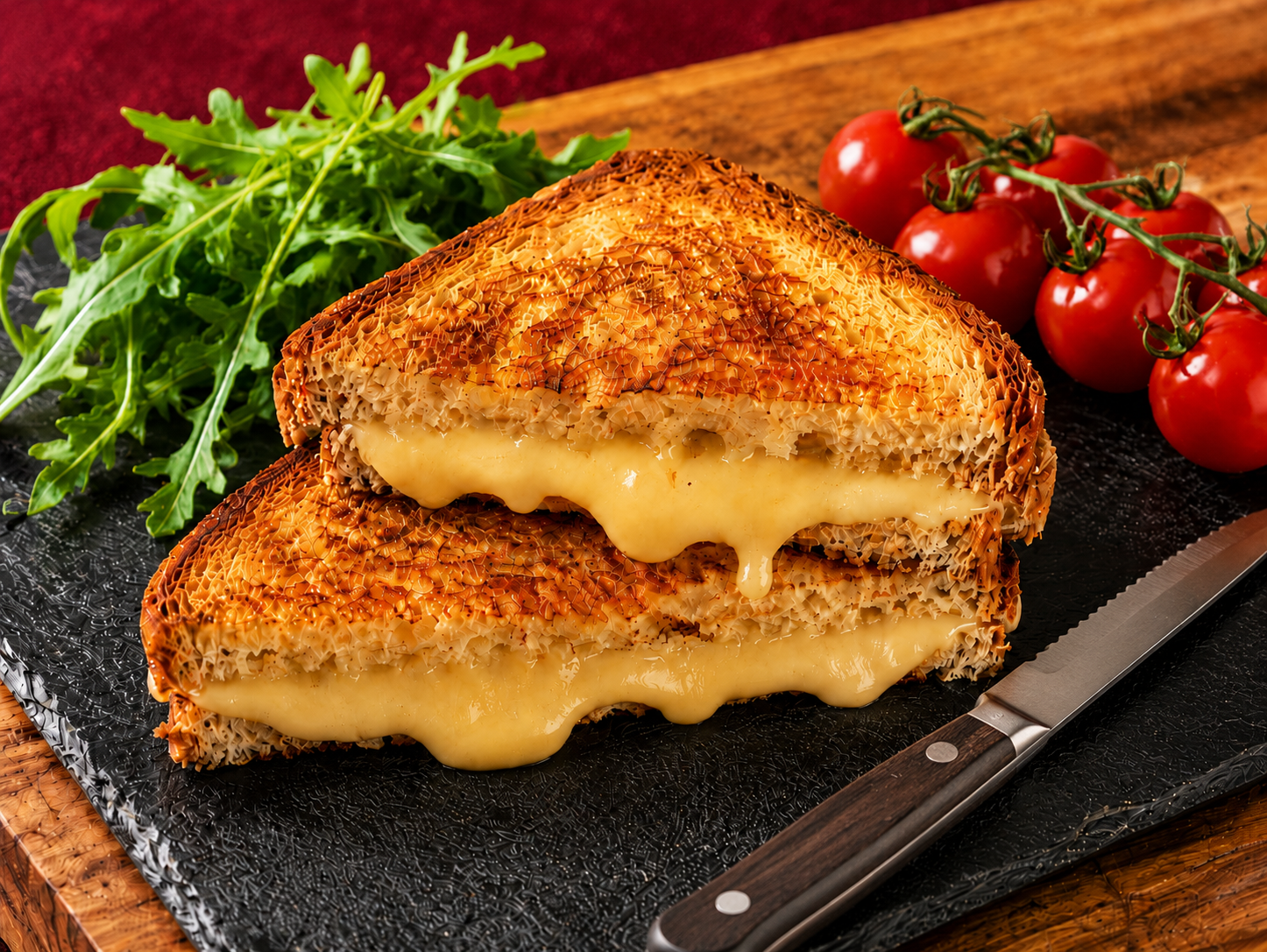
Vegan cheese divides opinion because it asks your taste buds, sense of smell and food memories to accept something familiar made in a completely different way.
Some links on this page are affiliate links. This means Vegan Verity may earn a small commission if you buy through them, at no extra cost to you.
Vegan cheese sparks strong reactions. Some people love it in toasties, burgers and pasta bakes. Others try one slice and decide the whole category tastes wrong.
That reaction makes sense. Cheese gives you salt, fat, acidity, smell, texture, stretch and memory all at once. Dairy cheese gets those qualities from milk proteins, dairy fat, fermentation and ageing. Vegan cheese has to build a similar experience from plants, oils, starches, cultures and flavourings.
That is why vegan cheese can feel clever and frustrating at the same time. It may look like cheese, sit in the same part of a meal and melt under a grill, while still tasting noticeably different.
The question is why people judge it so differently.
Your Brain Is Expecting Dairy Cheese
When people say vegan cheese tastes strange, they often react to a mismatch. Their brain expects dairy cheese, but their mouth gets a plant-based food trying to do a similar job.
Taste buds detect basic signals such as saltiness, sweetness, sourness, bitterness and umami. Flavour also depends on smell, texture, temperature and mouthfeel. You can read more about how taste and smell work.
This matters because cheese has a strong sensory pattern. It can taste salty, fatty, tangy, savoury, creamy, stretchy and slightly funky. If someone has eaten dairy cheese for years, that pattern becomes familiar.
A vegan slice may deliver salt, fat and softness, while missing the exact dairy aroma, bite or stretch someone expected. That gap can make the first bite feel wrong, even when the product works well.
Taste Can Shift After Giving Up Dairy
Vegan cheese can feel especially strange when you first stop eating dairy. At that point, your taste memory still feels fresh. You may expect the same sharpness, smell, chew, richness and stretch you got from dairy cheese.
Some people enjoy vegan cheese more after a break from dairy. Their taste buds have not magically changed overnight. Their reference point has shifted.
A slice in a burger, grated cheese in a pasta bake or soft cheese on toast can start to make more sense when you judge it as its own food, not an exact copy of cheddar, mozzarella or cream cheese.
This does not happen for everyone. Some people never enjoy certain vegan cheeses. Others only like them melted. Others prefer fermented nut-based cheeses because they taste more complex.
How Vegan Cheese Is Made
Makers produce vegan cheese in several different ways. The method depends on what the cheese needs to do: slice, spread, grate, melt, stretch, taste tangy or work cold.
The clearest way to understand vegan cheese is by method. You can group most vegan cheeses into five broad types.
Oil-And-Starch Vegan Cheese
This type often appears as blocks, slices and grated cheese.
Makers usually start with water, plant fat, starch, salt, acids, flavourings and sometimes gums or setting agents. They blend these ingredients into a smooth mixture, then heat it.
As the mixture heats, the starch thickens and the fat spreads through the base. As it cools, the mixture sets. Makers can then shape it into a block, slice or grated-style cheese.
This type can work well in toasties, burgers and pasta bakes. It can also feel waxy, oily or gummy because oil and starch do much of the structural work that milk proteins do in dairy cheese.
Nut Or Seed-Based Vegan Cheese
Nut and seed-based vegan cheeses often start with cashews, almonds, sunflower seeds or similar ingredients.
Makers usually soak the nuts or seeds, then blend them with water, salt, acids, flavourings and sometimes oil. The mixture can become a soft spread, a thick wedge or a firmer cheese-style product.
This type often focuses on creaminess and flavour more than stretch. It can work well on crackers, bread, toast or boards. It may taste richer than a basic oil-and-starch cheese, but it may disappoint you if you expect it to melt like mozzarella.
Fermented Vegan Cheese
Fermented vegan cheese starts with a plant base, often nuts, soy, oats or seeds. Makers blend the base, add cultures, then leave the mixture to ferment.
During fermentation, bacteria create acidity and flavour. This can make the cheese taste sharper, tangier and more complex.
After fermentation, makers may salt, shape, chill or age the cheese for longer. This method focuses on flavour development. It can create a more grown-up taste, but it does not guarantee stretch or melt.
Plant-Protein Vegan Cheese
Some vegan cheeses use added plant proteins, such as soy, pea, rice or faba bean protein.
Makers usually combine these proteins with water, fat, starches, salt and flavourings, then heat and process the mixture into a cheese-style product.
This type tries to solve one of vegan cheese’s biggest problems: structure. Dairy cheese uses casein, the main milk protein, to help create melt and stretch. Plant proteins can improve body, but they do not behave exactly like casein.
Precision-Fermented Cheese
Precision-fermented cheese is the newer category.
Companies use microbes such as yeast or fungi to produce dairy proteins without a cow. They can then use those proteins to make cheese that behaves more like dairy cheese.
This differs from standard plant-based vegan cheese because it tries to recreate the actual dairy proteins. It also sits at the edge of the vegan cheese conversation. Availability, ingredients and vegan status can depend on the product and certification.
Why Vegan Cheese Melts Differently
Dairy cheese and vegan cheese melt differently because makers build them differently. Dairy cheese relies on milk proteins. Most vegan cheese relies on plant fat, starch, gums and sometimes plant protein.
Dairy Cheese Has A Protein Network
Dairy cheese contains casein, the main protein in milk. Casein forms a flexible network that holds fat and water together.
When you heat dairy cheese, the fat softens and the protein network relaxes. That lets the cheese flow. In cheeses such as mozzarella, the network can also stretch, which creates the familiar cheese pull.
Most Vegan Cheese Does Not Have Casein
Most standard vegan cheese does not contain casein. That is the main reason it melts differently.
Instead, makers usually use plant fat, starch, gums and sometimes plant protein to copy some of the same effects. These ingredients can soften under heat, but they do not create the same stretchy dairy protein web.
That is why vegan cheese may melt into a creamy layer, bubble, hold its shape or turn oily without pulling into strings.
Different Bases Behave Differently Under Heat
The base of the vegan cheese affects what happens when it gets hot.
- Oil-and-starch vegan cheese: the fat melts and the starch thickens, so it can soften well. Too much starch can make it gummy.
- Nut-based vegan cheese: it may warm and soften, but it often will not flow.
- Fermented vegan cheese: it may taste sharper or more complex, but fermentation does not guarantee melt.
- Plant-protein vegan cheese: it can have more structure, but plant proteins still behave differently from casein.
The Simple Explanation
Dairy cheese melts through a milk-protein network. Most vegan cheese melts through fat, starch and gums.
That is why vegan cheese can soften without stretching, melt without bubbling properly, or taste better hot than cold.
Why The Type Matters More Than The Label
The words “vegan cheese” do not tell you enough. The type matters more.
An oil-and-starch cheese may work well in a toastie but taste plain cold. A fermented nut cheese may taste better on crackers but fail on pizza. A soft vegan cheese may spread beautifully but give you none of the bite you expect from cheddar.
That is one reason people disagree so strongly. They may be talking about completely different products.
For product options, see our guide to the best vegan cheese in the UK.
Match The Cheese To The Job
Different vegan cheeses suit different foods:
- Grated vegan cheese: pasta bakes, toasties and cooked dishes
- Slices: burgers and sandwiches
- Soft vegan cheese: bagels, dips, sauces and toast
- Fermented nut-based cheese: crackers, bread and boards
- Pizza-style vegan cheese: meals where melt matters most
Vegan cheese becomes easier to understand when you stop judging every product by the same test.
Want To Understand Vegan Cheese Better?
Try to notice what you react to. Is it the coconut taste? The waxy mouthfeel? The lack of stretch? The smell? The fact it tastes fine melted but strange cold?
Vegan cheese divides opinion because it combines taste memory, food science, ingredient choices and different production methods. Once you know how makers produce it, the divide makes much more sense.
FAQs
What is vegan cheese made out of?
Vegan cheese usually contains plant-based ingredients such as oils, starches, nuts, seeds, soy, pea protein, rice protein, salt, acids, cultures and flavourings. The recipe depends on the type of vegan cheese.
How is vegan cheese made?
Makers usually blend, heat, thicken and cool oil-and-starch vegan cheese into blocks, slices or shreds. They often soak, blend and shape nut-based cheese. Fermented vegan cheese uses cultures to create tang and depth. Plant-protein vegan cheese uses added proteins to improve body and texture.
Why does vegan cheese taste weird?
Vegan cheese can taste weird because your brain expects dairy cheese. It uses different fats, proteins and flavour compounds, so the smell, mouthfeel and texture may not match the cheese you remember.
Why does vegan cheese not melt properly?
Most vegan cheese does not contain casein, the milk protein that helps dairy cheese melt and stretch. Makers usually rely on plant fat, starch and gums instead, so vegan cheese may soften, bubble or turn creamy without pulling into strings.
Can you get used to vegan cheese?
Some people do get used to vegan cheese over time, especially after a break from dairy. It can help to try it first in cooked foods such as toasties, pasta bakes and burgers, where heat improves the texture.
Leave a Reply