
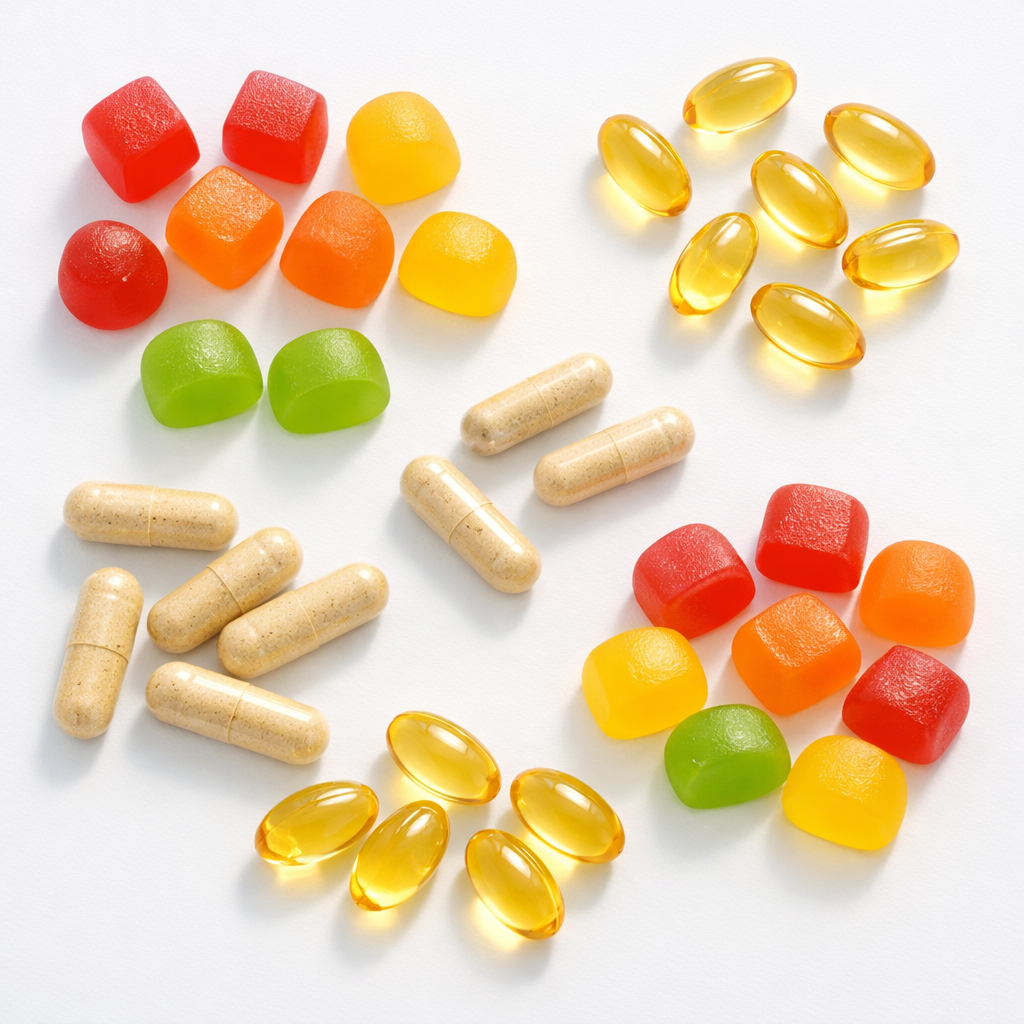
Immune supplements are widely used, but not everyone needs them. Immune health depends on nutrition, lifestyle, and consistency over time. Supplements can help fill gaps, but they are not a substitute for a balanced diet or medical care.
For vegans, immune supplements are often relevant because certain nutrients linked to immune function can be harder to obtain in sufficient amounts from food alone. Knowing what to look for makes it easier to choose supplements that actually support immune health without overdoing it.
This post contains affiliate links. If you click through and buy something, I may earn a small commission at no extra cost to you.
What Immune Supplements Are Designed to Support
Immune supplements are formulated to provide nutrients that contribute to the normal function of the immune system. They are not intended to prevent illness or act as a treatment.
Common immune-focused nutrients include vitamin C, vitamin D, zinc, and selenium. Each plays a different role, and more is not always better.
Why Supplements Can Make Sense for Vegans
A well-planned vegan diet can support immune health, but factors such as limited sunlight exposure, soil depletion, or individual absorption issues can affect nutrient status. Supplements can offer a practical way to ensure consistent intake, particularly during winter months or periods of increased stress.
Key Nutrients to Look For in Immune Supplements
Not all immune supplements are equal. Understanding the purpose of each nutrient helps you decide what is actually useful for you.
Vitamin C
Vitamin C contributes to the normal function of the immune system and helps protect cells from oxidative stress. Many people get some vitamin C from food, but supplements can provide a consistent daily amount, especially when intake from fruit and vegetables is low.
Vitamin D
Vitamin D supports immune function and is commonly recommended in the UK due to limited sunlight exposure. Vegan vitamin D supplements are typically derived from lichen rather than lanolin.
Vitamin D supplement from DR.VEGAN
Zinc and Selenium
Zinc and selenium both contribute to normal immune function. They are needed in small amounts, but long-term high doses are not recommended.
When choosing supplements containing zinc, check the dosage and avoid stacking multiple high-dose products unless advised by a healthcare professional.
Combined Immune Formulas
Some supplements combine vitamin C, vitamin D, zinc, selenium, and additional ingredients such as probiotics. These can be convenient if you prefer an all-in-one option.
Immune supplement from Together Health
Choosing Vegan Immune Supplements Responsibly
Immune supplements should fit into your wider routine rather than replace good nutrition and lifestyle habits.
Check Vegan Status and Ingredient Sources
Look for supplements that clearly state they are suitable for vegans. Vitamin D should be sourced from lichen, capsules should be plant-based, and flavourings or fillers should be clearly listed.
Vegan zinc gummies from Known Nutrition
Avoid Exaggerated Claims
Be cautious of products that claim to “boost” immunity or prevent illness. Authorised health claims focus on supporting normal immune function, not guaranteeing outcomes.
Consider Overall Health, Not Just Immunity
Some supplements, such as omega-3s, are not immune supplements as such but can support general health. These may still have a place in a balanced routine.
Vegan omega-3 supplement from Nothing Fishy
When Immune Supplements May Not Be Necessary
If you already eat a varied diet, supplement vitamin D year-round, and do not have known deficiencies, you may not need a dedicated immune supplement. More supplements do not automatically mean better immune health.
If you are pregnant, managing a medical condition, or taking medication, it is sensible to check with a healthcare professional before adding new supplements.
How to Approach Immune Health Long Term
Immune health is cumulative. Sleep, stress management, regular meals, and adequate calorie intake all play a role. Supplements work best when they support these basics rather than attempting to compensate for their absence.
Consistency Matters More Than Trends
Taking a moderate, well-chosen supplement consistently is more effective than frequently switching products or chasing high doses.
Supporting Your Immune Health With Confidence
If you are considering immune supplements, focus on clarity rather than complexity. Choose products with transparent ingredients, sensible dosages, and clear vegan labelling.
Explore immune supplements from Together Health
Browse vegan immune support options from DR.VEGAN
FAQs
Do Immune Supplements Prevent Illness?
Immune supplements do not prevent illness. They provide nutrients that contribute to the normal function of the immune system, which is only one part of overall health.
Can You Take Immune Supplements Every Day?
Many immune supplements are designed for daily use, but it is important to check individual nutrient doses and avoid exceeding recommended levels, particularly for zinc.
Are Immune Supplements Safe for Vegans?
Immune supplements can be suitable for vegans if they use plant-based ingredients and capsules. Always check the source of vitamin D and any added fillers.
Is Vitamin C Enough on Its Own?
Vitamin C supports immune function, but immune health relies on multiple nutrients. A combination approach may be more appropriate depending on your diet and lifestyle.
Should Vegans Take Immune Supplements Year-Round?
This depends on individual needs. Some people use immune supplements seasonally, while others focus on targeted nutrients such as vitamin D throughout the year.