
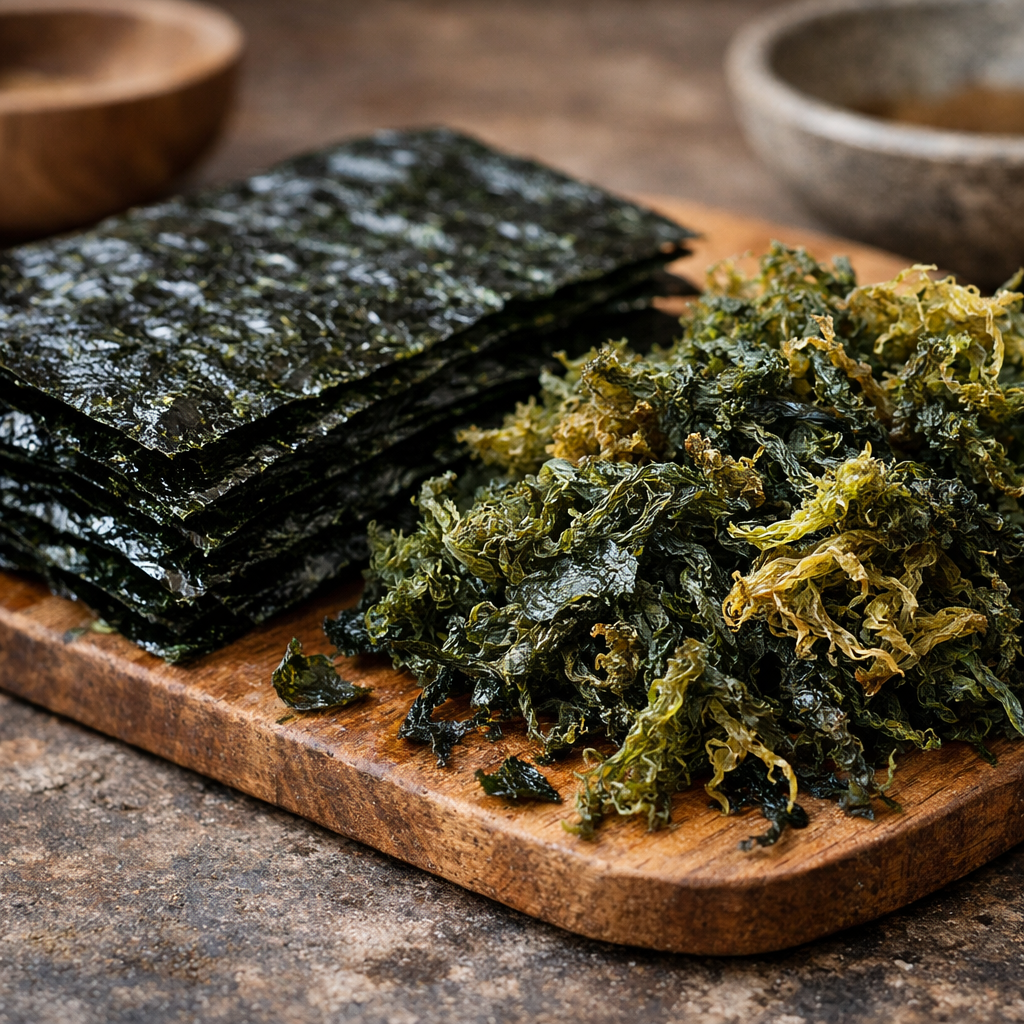
Iodine supports normal thyroid hormone production, which helps regulate metabolism, temperature and energy levels. Vegans may have lower iodine intake in the UK because dairy and fish provide most dietary iodine, so planning intake matters.
Iodine is a trace mineral, but your body depends on it every day. Your thyroid gland uses iodine to produce hormones that control how quickly your cells use energy. Without enough iodine, hormone production slows and your metabolism can follow.
In the UK, dairy products and seafood provide the largest share of iodine in typical diets. If you follow a vegan diet, you remove those sources. That does not automatically mean you are deficient, but it does mean you need to think about where your iodine comes from.
This post contains affiliate links. If you click through and buy something, I may earn a small commission at no extra cost to you.
What Iodine Does in the Body
Your thyroid produces two key hormones, T4 and T3. Iodine forms part of their structure. When intake drops too low, your thyroid works harder to trap iodine from the bloodstream.
Over time, low intake can reduce thyroid hormone production. Severe deficiency can lead to goitre, where the thyroid enlarges in an attempt to compensate.
Iodine also plays an important role during pregnancy, when the developing brain relies on adequate maternal thyroid hormone levels.
Why It Matters for Thyroid Function
Your thyroid responds directly to iodine intake. Too little can impair hormone production. Too much, especially from highly concentrated seaweed sources, can also disrupt normal thyroid activity.
Vegan diets do not automatically cause thyroid disease. Some research even suggests lower rates of certain thyroid conditions in plant-based groups. The key issue is not veganism itself, but whether iodine intake remains consistent and appropriate.
Iodine Deficiency on a Vegan Diet
The NHS recommends 140 micrograms of iodine per day for adults. In the UK, iodised salt is not widely used, so many people rely on dairy and fish without realising it.
Read the NHS guidance on iodine intake
If you avoid those foods and rarely consume sea vegetables or iodised salt, your intake may fall below recommendations.
Common signs associated with low iodine intake include fatigue, weight gain, feeling cold, dry skin and slowed thinking. These symptoms overlap with many other conditions, so proper medical testing remains important before assuming deficiency.
Signs, Risk Factors and Who Is Most at Risk
You may face a higher risk of low iodine intake if you:
• Avoid iodised salt
• Rarely eat sea vegetables
• Eat mostly unfortified whole foods
• Are pregnant or breastfeeding
Seaweed contains iodine, but levels vary significantly. Brown seaweeds such as kelp can contain very high amounts, sometimes exceeding the commonly referenced upper level of 600 micrograms per day in a single serving. Regular high intake can also affect thyroid function.
Iodine Foods, Iodized Salt and Supplements
Most fruits, vegetables and grains contain only small amounts of iodine because soil levels vary. This makes plant-based intake unpredictable.
Nori usually contains lower iodine levels compared to kelp, but content still varies by source and portion size. Iodised salt can help, though public health advice still recommends limiting overall salt intake.
For many vegans, a measured supplement provides a more consistent and controlled intake than relying on seaweed alone.
Shop Together Health Iodine Capsules
Some people prefer to cover iodine as part of a broader multivitamin, especially if they already supplement B12 or vitamin D.
Shop DR.VEGAN Daily Multi-Vitamin
Sea moss products have become popular in recent years. They contain naturally occurring iodine, but the amount can vary depending on the source and processing.
Shop Known Nutrition Sea Moss Gummies
Some people prefer sea moss in capsule form rather than gummies.
Shop Nothing Fishy Irish Sea Moss
Safe Iodine Dosage for Vegans
Most adults in the UK should aim for 140 micrograms per day. Consider your total intake from:
• Seaweed
• Fortified foods
• Multivitamins
• Standalone iodine supplements
Avoid combining high-dose seaweed with high-dose iodine capsules. More iodine does not mean better thyroid health. Consistency and moderation matter more than extremes.
If you suspect a thyroid issue, request a thyroid function test from your GP before making significant changes.
Take Control of Your Iodine Intake
Review your current diet honestly. If you never consume iodised salt or sea vegetables, and you do not take a supplement, your intake may sit below recommended levels.
Choose one reliable source of iodine and use it consistently. Avoid large swings between very low and very high intake. With a small amount of planning, you can meet your iodine needs comfortably on a vegan diet.
What are the symptoms of low iodine?
Low iodine intake may contribute to fatigue, weight gain, feeling cold, dry skin, hair thinning and slowed thinking. Severe long-term deficiency can lead to goitre. Because these symptoms overlap with other conditions, medical testing is important.
How much iodine do vegans need per day?
Adults in the UK need 140 micrograms of iodine per day. Vegans require the same amount as non-vegans, but they may need to plan intake more carefully due to fewer natural dietary sources.
How do vegans get iodine naturally?
Vegans can obtain iodine from iodised salt and certain sea vegetables such as nori. However, iodine levels in plant foods vary widely, so some people choose a measured supplement for consistency.
Do vegans have iodine deficiency?
Vegans do not automatically have iodine deficiency, but studies show they often have lower average iodine intake than omnivores in the UK. Planning intake helps reduce the risk.
Do vegans get thyroid issues?
A vegan diet does not inherently cause thyroid problems. Thyroid health depends on adequate iodine intake and overall nutrition. Maintaining steady, appropriate iodine intake supports normal thyroid function.
Leave a Reply