
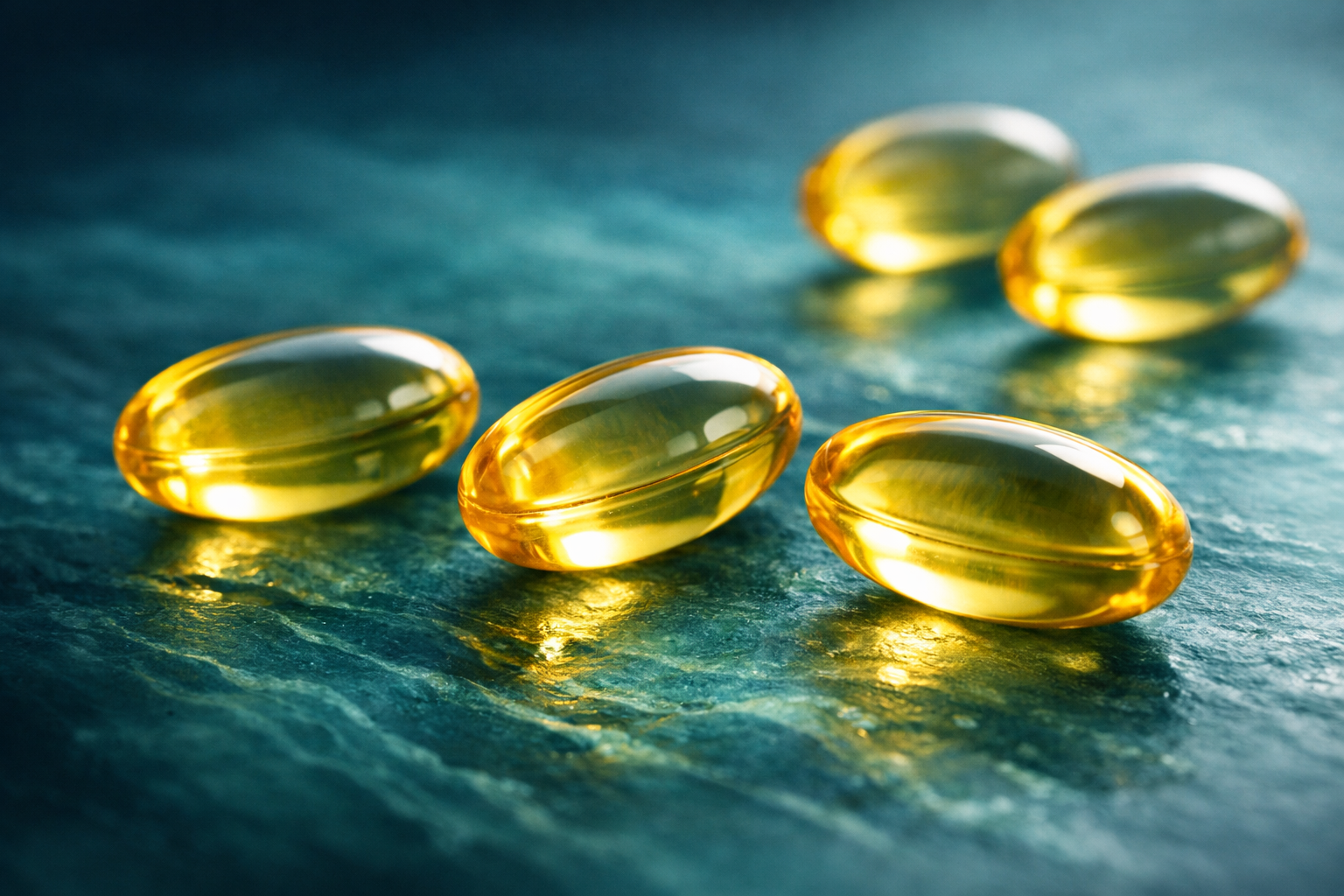
Vegan omega-3 supplements provide DHA and EPA from algae, offering a direct, plant-based alternative to fish oil. Because fish get omega-3 from algae in the first place, algae oil allows vegans to supplement omega-3 without relying on fish, while still supporting brain, heart and eye health.
Omega-3 is often discussed in confusing or fish-centric terms, which can leave vegans unsure whether supplementation is necessary. This guide explains what vegan omega-3 is, why DHA and EPA matter, how algae oil compares to plant food sources, and how to choose a vegan omega-3 supplement that fits your needs.
What Is Vegan Omega-3?
Vegan omega-3 refers to omega-3 fatty acids sourced entirely from plants, most commonly algae. While many plant foods contain omega-3, they usually provide ALA only, which the body must convert into DHA and EPA.
Algae-based supplements bypass this conversion process by supplying DHA and EPA directly. This makes vegan omega-3 supplements more comparable to fish oil in terms of biological usefulness, without involving fish at any stage.
ALA vs DHA and EPA
ALA is found in foods like flaxseed, chia seeds and walnuts. While it is still beneficial, the body converts only a small percentage of ALA into DHA and EPA, and conversion rates vary widely between individuals.
DHA and EPA play more direct roles in brain structure, vision and cardiovascular function. This is why algae-based supplements are often recommended for vegans who want a reliable source of these fatty acids.
Why Algae Oil Is Different
Algae oil is the original source of DHA and EPA in the marine food chain. Fish accumulate omega-3 by eating algae, not by producing it themselves.
By using algae oil directly, vegan omega-3 supplements provide a cleaner, more sustainable option that avoids concerns around ocean pollution, heavy metals and overfishing.
Do Vegans Need an Omega-3 Supplement?
Not every vegan will require supplementation, but many benefit from it. DHA and EPA intake tends to be low on vegan diets unless algae-based supplements are used regularly.
Supplementation can be particularly useful for people who do not regularly consume ALA-rich foods, or who may have lower conversion rates from ALA to DHA and EPA.
General Adult Considerations
For most adults, a daily algae-based omega-3 supplement provides a consistent intake of DHA and EPA that supports long-term health. Supplements are especially useful for people who want predictable dosing rather than relying on dietary conversion.
Special Groups to Be Aware Of
Certain groups may pay closer attention to omega-3 intake, including pregnant and breastfeeding individuals, older adults, athletes and people with higher cognitive or visual demands. DHA is particularly important during pregnancy and later life, while EPA may support inflammation balance.
This guide does not replace medical advice, but it highlights why these groups often appear in omega-3 discussions.
How to Choose a Vegan Omega-3 Supplement
Not all vegan omega-3 supplements are the same. Some provide DHA only, while others include both DHA and EPA, and dosage levels can vary significantly.
Understanding what to look for makes it easier to choose a supplement that matches your goals rather than relying on marketing claims.
This post contains affiliate links. If you click through and buy something, I may earn a small commission at no extra cost to you.
DHA-Only vs DHA and EPA Supplements
Some vegan omega-3 products focus on DHA alone, which may be suitable for people prioritising brain and eye health. Others include both DHA and EPA, offering broader coverage.
Neither option is inherently better, but the difference is worth understanding before choosing a product.
Dosage and Capsule Format
Most algae-based omega-3 supplements recommend one to two capsules per day with food. Softgels are the most common format, though refill options may appeal to those looking to reduce packaging waste.
Always check the DHA and EPA amounts per serving rather than relying on capsule count alone.
Together Health vegan omega-3 supplements
Comparing Vegan Omega-3 Supplement Options
When comparing products, it helps to look beyond branding and focus on formulation, sourcing and clarity of information. Reputable brands clearly state algae sources, DHA and EPA content, and recommended usage.
Some products prioritise sustainability through refill systems, while others focus on higher combined DHA and EPA doses in fewer capsules.
Is It Safe to Take Vegan Omega-3 Every Day?
For most people, taking vegan omega-3 daily at recommended doses is considered safe. Algae oil supplements are generally well tolerated and free from fish-related contaminants.
Very high doses may not be appropriate for everyone, particularly those on certain medications, so individual circumstances should always be considered.
How Long Does It Take to Notice Benefits?
Omega-3 works gradually. Some effects, such as changes in blood lipid levels, may occur within weeks, while other benefits related to brain, skin or eye health develop over longer periods of consistent use.
Omega-3 is best viewed as a long-term nutritional support rather than a quick fix.
Choosing the Right Vegan Omega-3 for You
The best vegan omega-3 supplement is the one you will take consistently and confidently. Whether you prioritise DHA-only formulations, combined DHA and EPA, or sustainability features, algae-based supplements offer flexible options for vegans.
Paying attention to formulation details helps ensure your supplement choice actually supports your diet rather than duplicating nutrients you already get elsewhere.
Ready to Add Vegan Omega-3 to Your Routine?
If you are considering a vegan omega-3 supplement, start by deciding whether you want DHA alone or a combined DHA and EPA product, then compare dosage and format.
Explore trusted algae-based options below and choose the one that fits your needs and lifestyle.
Together Health vegan omega-3 supplements
FAQs
Can You Get Omega-3 as a Vegan?
Yes. Vegans can get omega-3 from algae-based supplements that provide DHA and EPA directly, as well as from plant foods that contain ALA.
Is It Worth Taking Vegan Omega-3?
For many vegans, yes. Algae-based supplements provide DHA and EPA in a form the body can use efficiently, which may be difficult to obtain through diet alone.
What Is the Best Plant-Based Omega-3?
Algae oil is considered the most effective plant-based omega-3 source because it supplies DHA and EPA directly rather than relying on conversion from ALA.
What Happens to Your Body When You Start Taking Omega-3?
Over time, DHA and EPA are incorporated into cell membranes, supporting brain, heart, eye and inflammatory health as part of regular nutritional intake.
Is It Harmful to Take Omega-3 Every Day?
For most people, daily omega-3 supplementation at recommended levels is safe. Anyone with specific medical conditions should seek individual advice.
The NHS also provides guidance on following a balanced vegan diet, including nutrients that may need extra attention.